
Recently, Insurance Journal highlighted this important ruling and its impact on workers across Florida. The article also recognized Michael Winer of Winer Law Group, who represented the injured worker during the litigation and previously explained why the lower court's interpretation would have produced an unfair result.
Understanding this decision is important because workplace violence cases often involve complex legal questions. Therefore, employees who have been injured during an assault at work should understand how Florida law may apply to their situation.
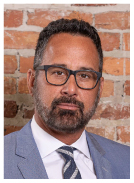
Michael Winer
"If the 1st DCA decision had been upheld, it would have created an absurd situation in which workplace accidents are compensated but shootings are not."
I cannot say enough good things about the Winer Law Group. They helped me through a very difficult time and ultimately secured a settlement that I am truly grateful for. A special thank you to Starla, their paralegal, who went above and beyond every step of the way. She was always kind, patient, and incredibly responsive. No question was ever too small, and she made me feel supported and informed the entire time. It’s rare to find a team that combines professionalism with genuine care, and this firm does exactly that. I would highly recommend them. Rosalie Cacciatore Bolin

First and foremost, I would HIGHLY recommend Michael Winer and any of his colleagues over at Winer Law Group. I was involved in a car accident and Mike and his team were extremely thorough from start to finish in helping me settle my case accordingly. His experience and professionalism are exactly what you want on your side. Starla was also beyond helpful and very easy to communicate with and was a great help throughout the whole process. If you want to be represented correctly, choose WINER LAW GROUP!!!
I was so grateful to have found Michael Winer at Winer Law Group. I switched lawyers in the middle of my workman's comp case and Michael took on my case and did more in one month than my previous lawyer had done in 2 years! Michael treated me really good and was really easy to talk to. His assistant, Marta was always quick to answer all of my questions and take care of things for me. It was a pleasure to work with both of them.
Mr .Winer was highly recommended to me by another lawyer I had used in the past. Stacy Ortiz took on my case and I am so happy she did. Stacy is very passionate about her job/your case and will fight for you. This has been a very long fight but she won..we won! I really cant say enough words to thank you also Dalila, if it werent for you I would've given up you gave me hope when i had none..thank you for all your patience and thank you to the rest of the staff.
One of the hardest things about watching your parents struggle is knowing how little you can help and that a lot of their support group is no longer around. Mike and his staff not only helped my parents in ways I was completely incapable of doing, but they became a support system my parents desperately needed. Bottom line is that when stepping into a "legal world" that you know nothing about, having Mike and his staff in your corner is encouraging and calming at the same time.
I cannot recommend Winer Law Group highly enough. From the very beginning, the Winer Law Team made me feel supported, informed, and confident throughout the entire process.
They took the time to explain every step, answered all of my questions, and truly had my best interests at heart. They fought aggressively on my behalf against the insurance companies, and thanks to their dedication and expertise, I received a much larger settlement than I ever expected for both my injuries and my totaled vehicle.
If I ever need legal representation again, I will absolutely use Winer Law Group. I will also be referring them to my friends and family without hesitation. An outstanding team that truly delivers results!
They took the time to explain every step, answered all of my questions, and truly had my best interests at heart. They fought aggressively on my behalf against the insurance companies, and thanks to their dedication and expertise, I received a much larger settlement than I ever expected for both my injuries and my totaled vehicle.
If I ever need legal representation again, I will absolutely use Winer Law Group. I will also be referring them to my friends and family without hesitation. An outstanding team that truly delivers results!
Winer Law Group!
Has been a BLESSING in my life. Very Wonderful and Supportive!
Staff goes above and beyond. Attorney Michael Winer, make sure to take care of his clients. Marta, Paralegal make sure I was contacted regarding my file and returned all calls!!!
Thank you for all,
Winer Group
Even though the circumstances for needing a lawyer were awful, Stacy Ortiz and her staff, specifically Dalila were amazing. Communication was phenomenal and I always knew they were there to answer all my questions when I needed them. I felt like she really listened to what I needed and made me feel comfortable in my decisions. Highly recommend this law firm.
I would highly recommend Michael Winer for handling any legal case involving automobile accidents. Stella his assistant is incredible when it comes to customer service and follow up. Hope also was such a pleasure to talk to and also gave incredible service.
Micheal and the team are very nice and easy to deal with. Someone else suggested me to them and was happy with their services. I would recommend their services to everyone. Thank you.
Amazing company, puts their clients first and lead with transparency. Would recommend them to anyone.
Will be referring them to my local Tampa community.
I was recently involved in a car accident, and I was referred to Winer Law Group not only by one person but a second person, so I decided to reach out to them. I'm so glad that I let this Law Firm handle my case! Mike Winer & his associates made this whole situation a breeze. Mike and his associates were right on it when it came to dealing with the insurance company. Believe me when I tell you that they will fight for you! If I shall ever been in this type of situation again I know who I will be calling!!!
Don't settle for less, call the best!